Photo to Knitting Pattern: How to Make a Fair Isle Chart from Your Picture
We charted a Nordic reindeer at three widths and a cat portrait in three and six colors. Here is what each setting changes, how to read the printed chart and how the same picture looks as a C2C crochet graph.
Contents
A sweater with your dog on the front, a hat with a team logo, a blanket with a family crest: every one of them starts as a chart, and drawing a chart square by square takes an evening. The Knitting Chart Maker does it from any picture in a few seconds, right in your browser. There is nothing to install, and building a chart costs nothing, so you can keep adjusting it until it looks right. Below we run two pictures through it and show what each setting does.
What to prepare
- A simple picture. Bold shapes, few details and strong contrast chart well. In colorwork one square is one stitch, so a hairline thinner than a stitch simply disappears or turns into a step.
- Your gauge: a swatch in the yarn you plan to use, with the stitches and rows counted over 4 in (10 cm). It decides the proportions of the finished motif.
- A rough size for the project, for example how many stitches wide the front of a sweater or a hat band is.
Make a colorwork chart step by step
- Open the Knitting Chart Maker and upload the picture. Leave the craft on “Knitting”.
- Set the width in stitches, from 20 to 200. The default is 60. The size line shows the rows you will get and the approximate size in centimeters.
- Pick the number of colors: 2, 3, 4, 5, 6 or 8. Two to four is typical for stranded colorwork.
- Enter your gauge. The default is 22 stitches and 30 rows per 10 cm, which is stockinette in a medium-weight yarn.
- Press “Create chart” and check the preview, which shows the motif as knitted stitches.
- Happy with it? Download the PDF. If not, change the width or colors and build it again.
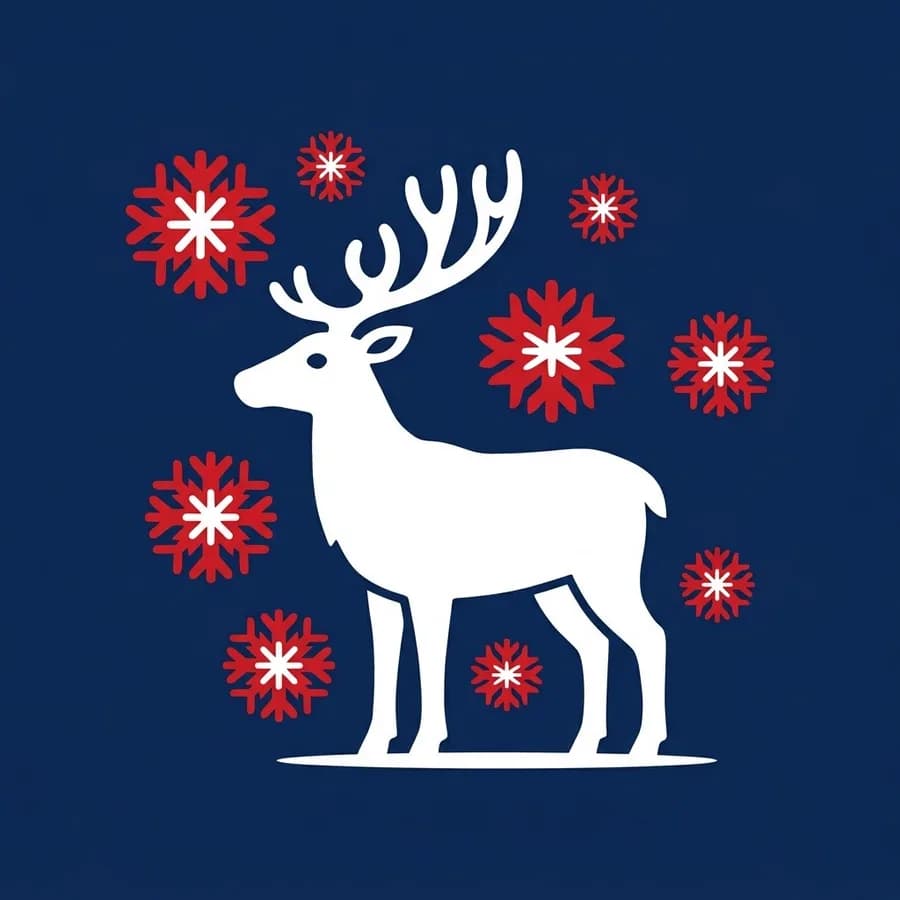
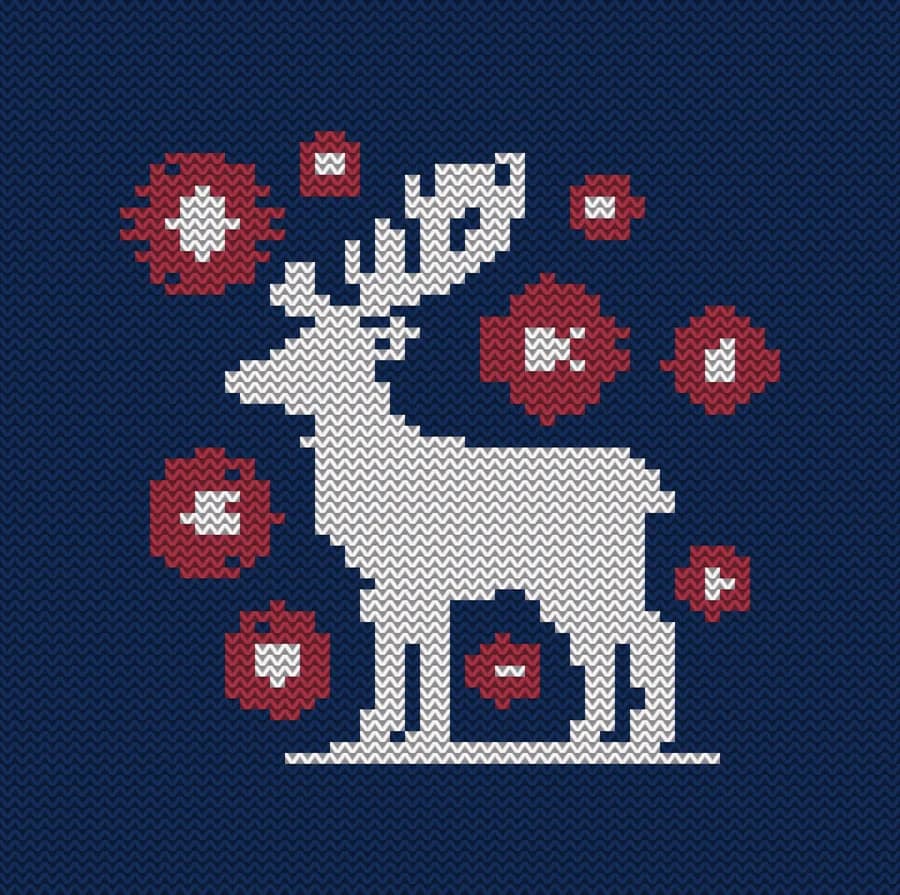
How wide should the chart be?
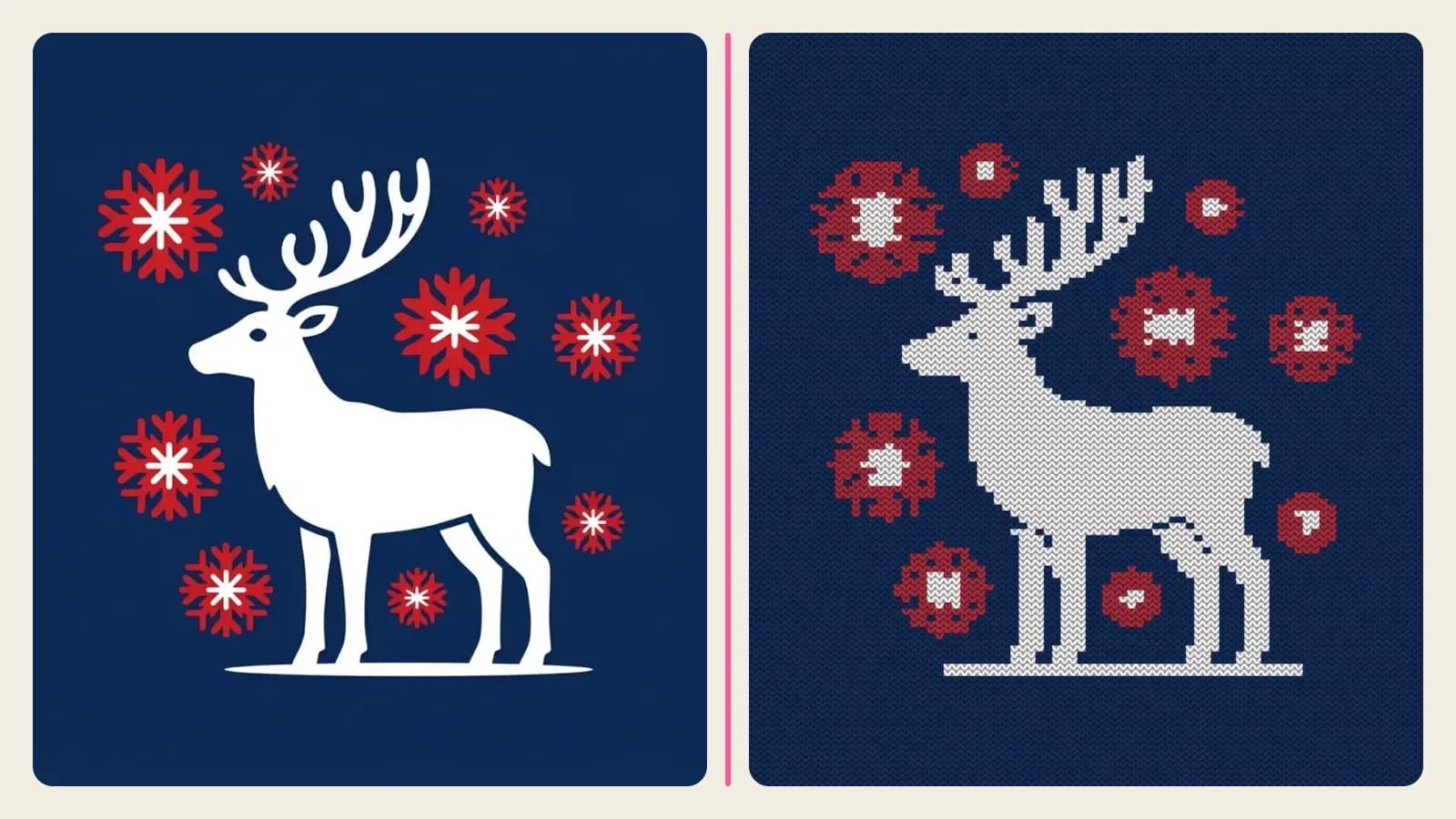
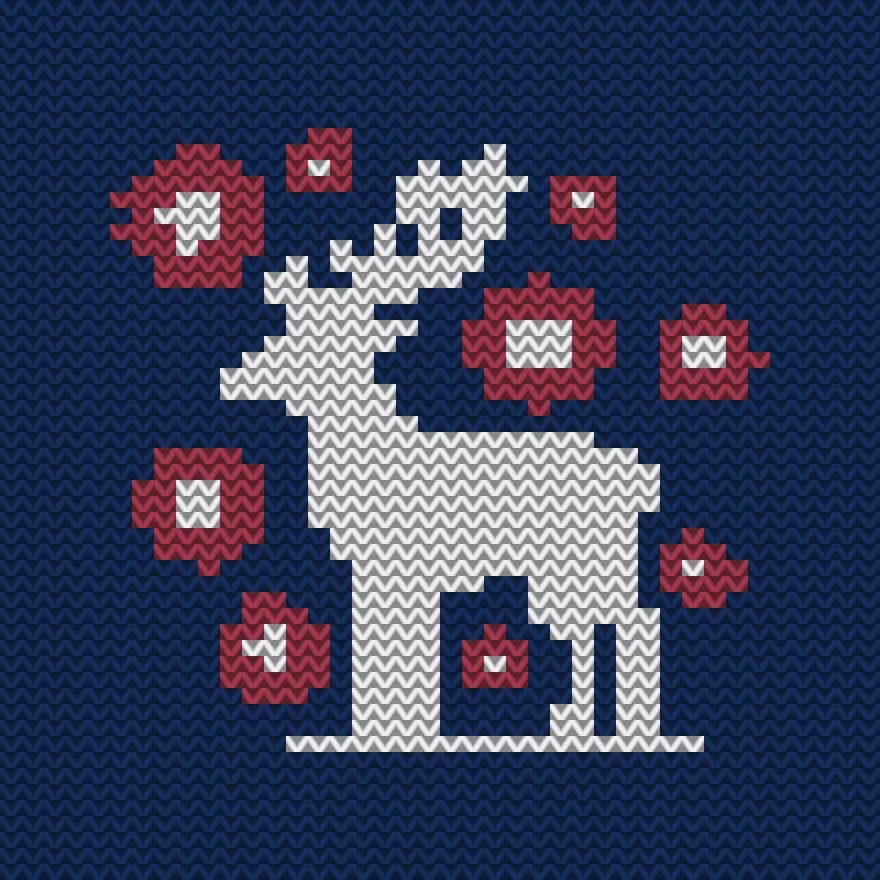
Width in stitches is the setting that decides how much detail survives. We charted the reindeer at three widths, all with 3 colors and the default gauge. At 40 stitches the antlers shrink to a few steps, the snowflakes to little squares and the legs to posts. At 60 you can read the silhouette and the antlers. At 90 every antler tine and all four legs show, and the snowflakes get points. The price of detail is size and work: 123 rows instead of 55, and roughly five times as many stitches in the fabric.
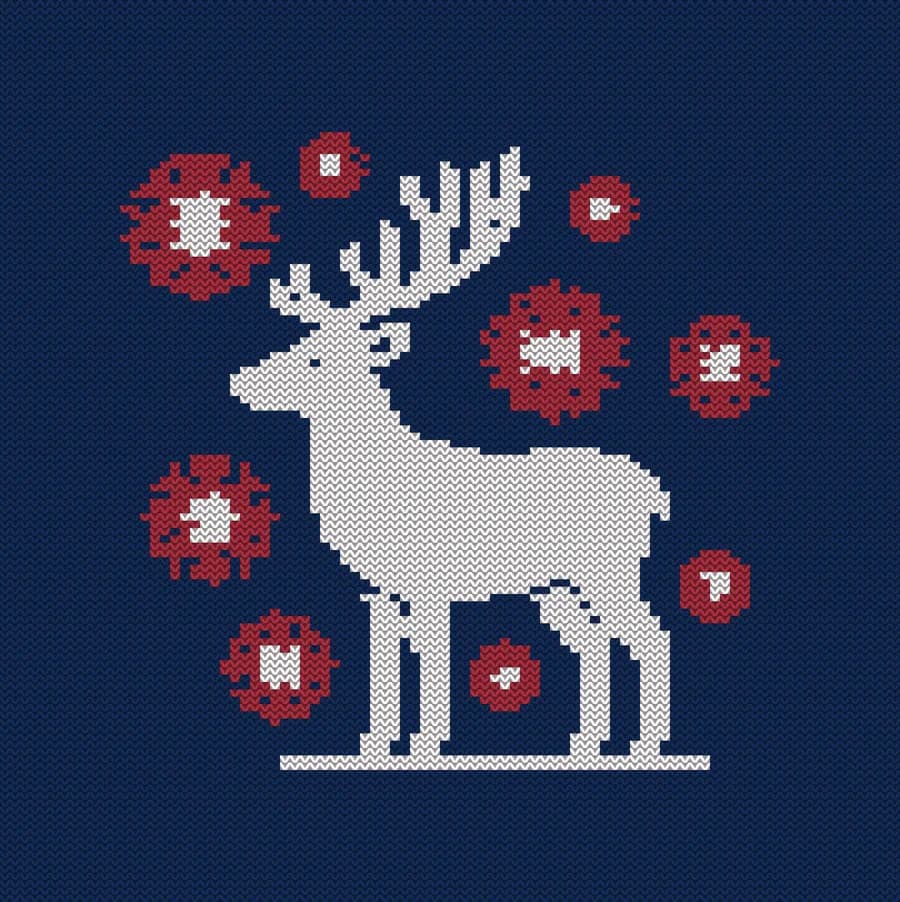
Even at 90 stitches the fine veins in the snowflakes did not come through. A square is a stitch and nothing is finer than that, so if a small detail matters, simplify the picture or chart it wider.
How many colors?
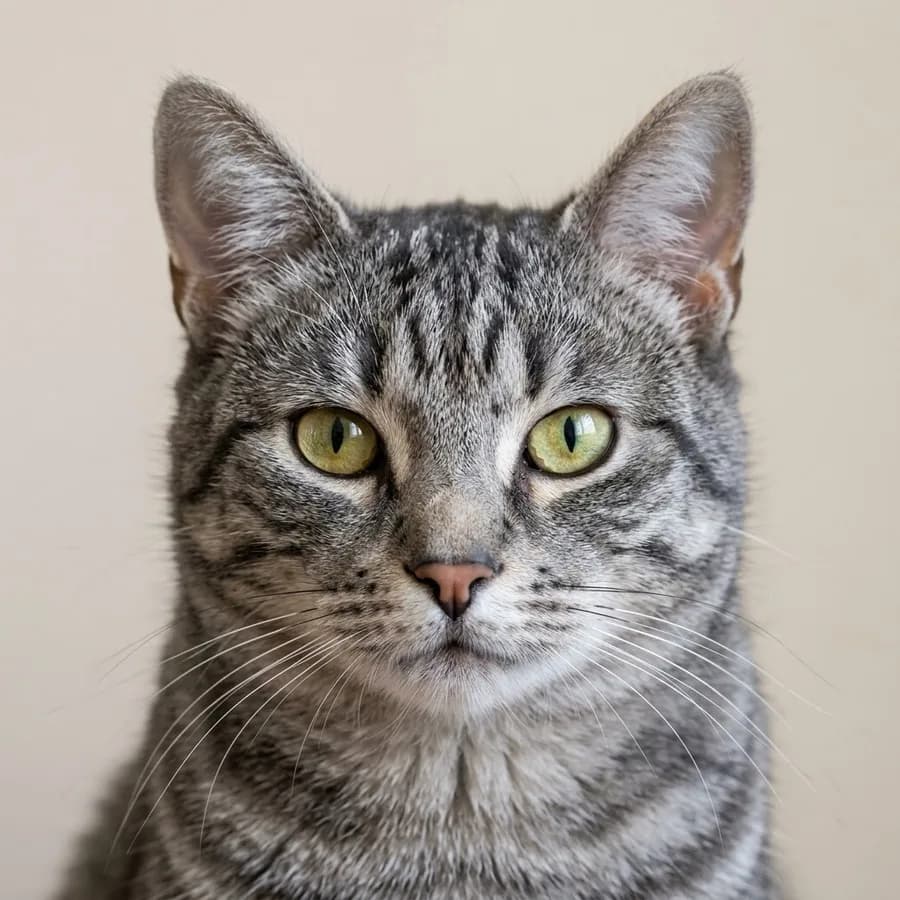
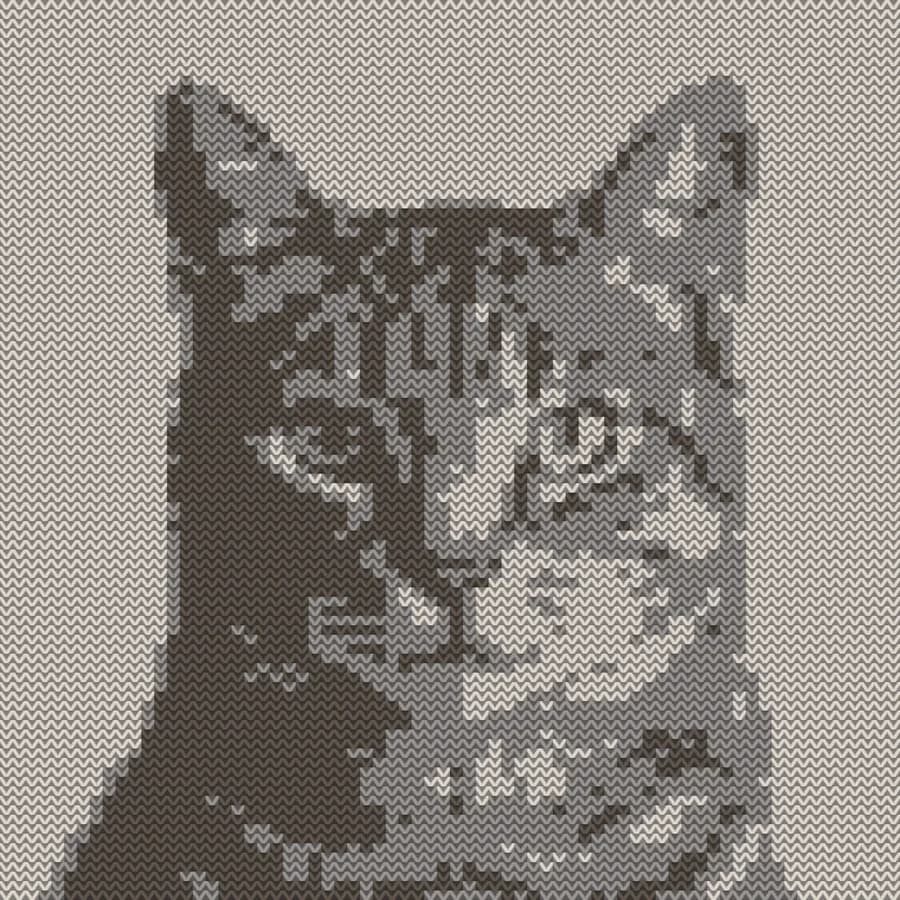
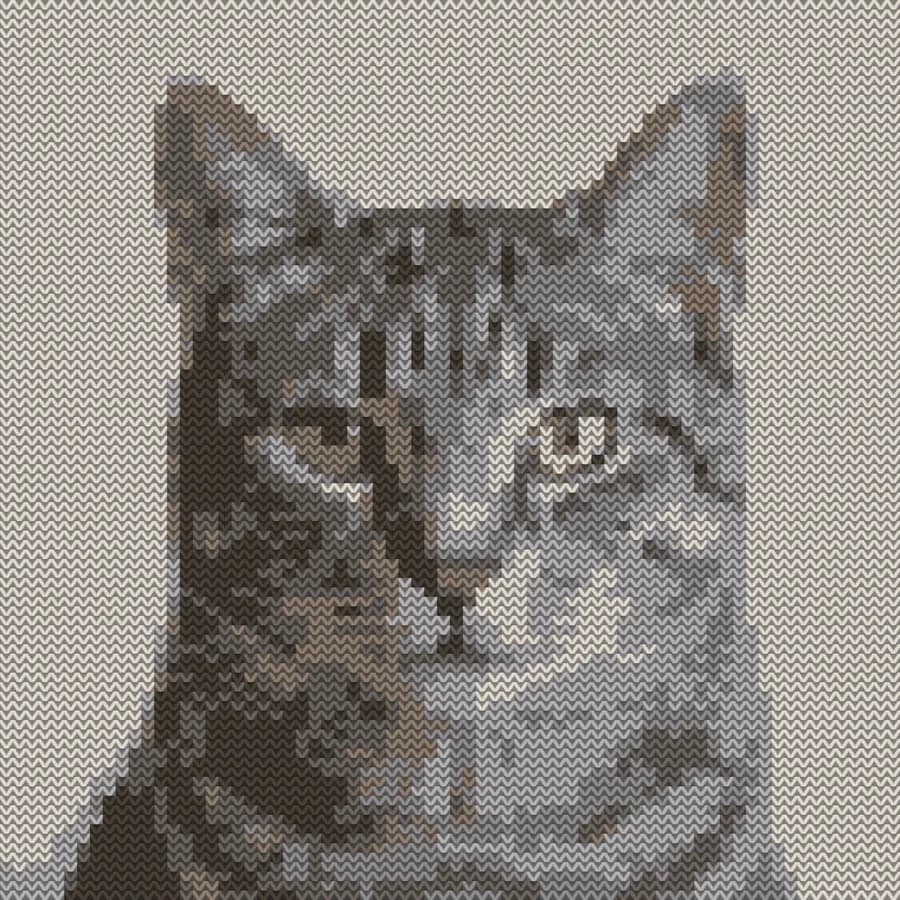
The chart takes its colors from the picture itself. A flat motif with three colors needs three. A portrait is the other extreme. We charted a cat at 70 stitches and 95 rows, about 32 × 32 cm (12.5 in), twice: with 3 colors the shadows and highlights merge into large patches, and with 6 you get midtones and a readable eye and fur. The size is identical, but every extra color is one more strand in your hands and the rows get slower. For a first project choose a picture that already looks good in two or three.
Which pictures work best
Silhouettes and symbols knit up best: animals in profile, snowflakes, trees, geometric patterns, bold lettering. Portraits, landscapes and anything with gradients need 6 to 8 colors and 100 or more stitches, which is demanding work. If you start from a photo, remove a busy background first. You can also generate a simple motif. This is the prompt we used for the reindeer:
A simple flat graphic illustration of a Nordic reindeer standing in profile with a few snowflakes around it, bold solid shapes, only three flat colors: white deer, red snowflakes, deep navy blue background, no gradients, no outlines, no text, centered, like a motif for a knitted sweater.
What the PDF looks like
The 60-stitch reindeer came out as 4 A4 pages: an overview with the preview and a map of how the sheets fit together, a color legend and two pages of chart. The 90-stitch version took 6 pages. Rows are numbered from the bottom and stitches from the right, the way the fabric is worked. The main color, the most frequent one, is left blank and the others get symbols, so the chart reads well even on a black-and-white printer. Two rows and two columns repeat on the edge of each sheet to make joining them easy.
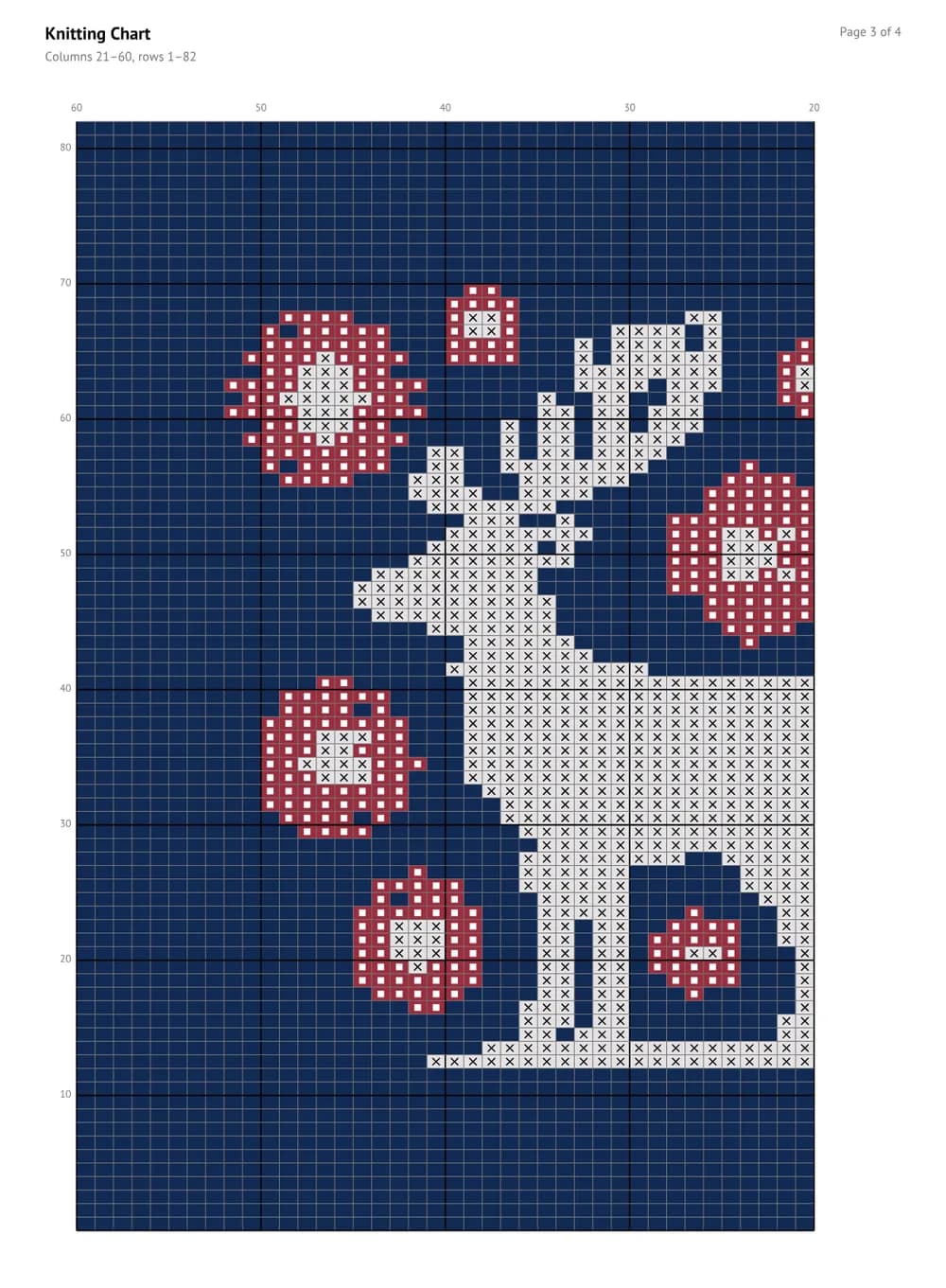
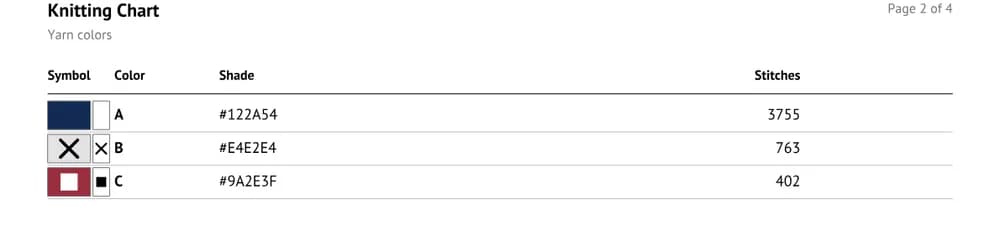
The chart counts stitches per color but not yarn: how much you use depends on the yarn and on your tension, so estimate it from your swatch. The legend shows the colors taken from the picture, so match your yarn to them by eye.
The same picture as a crochet graph
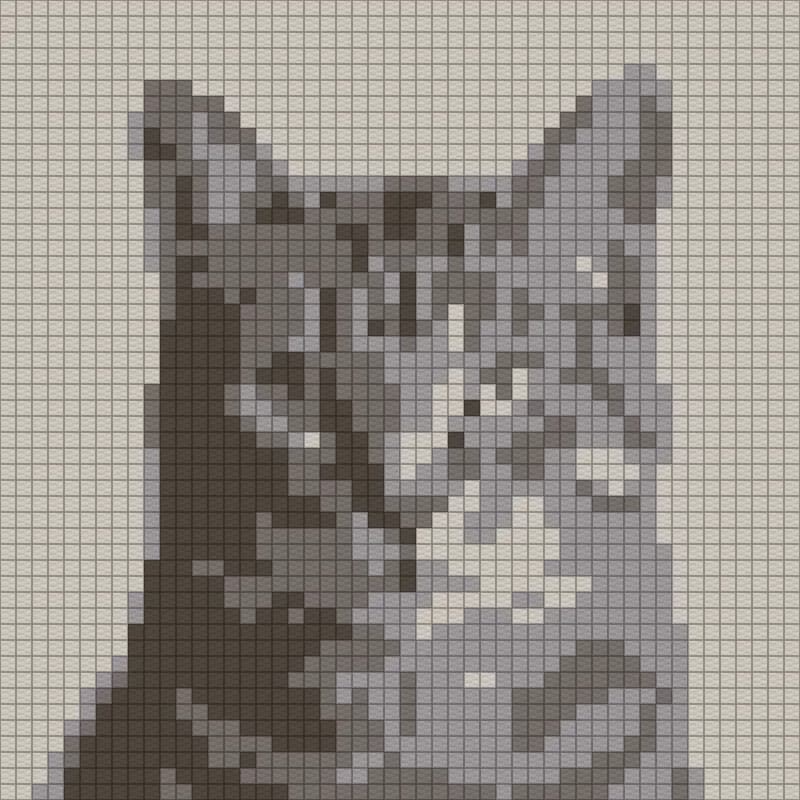
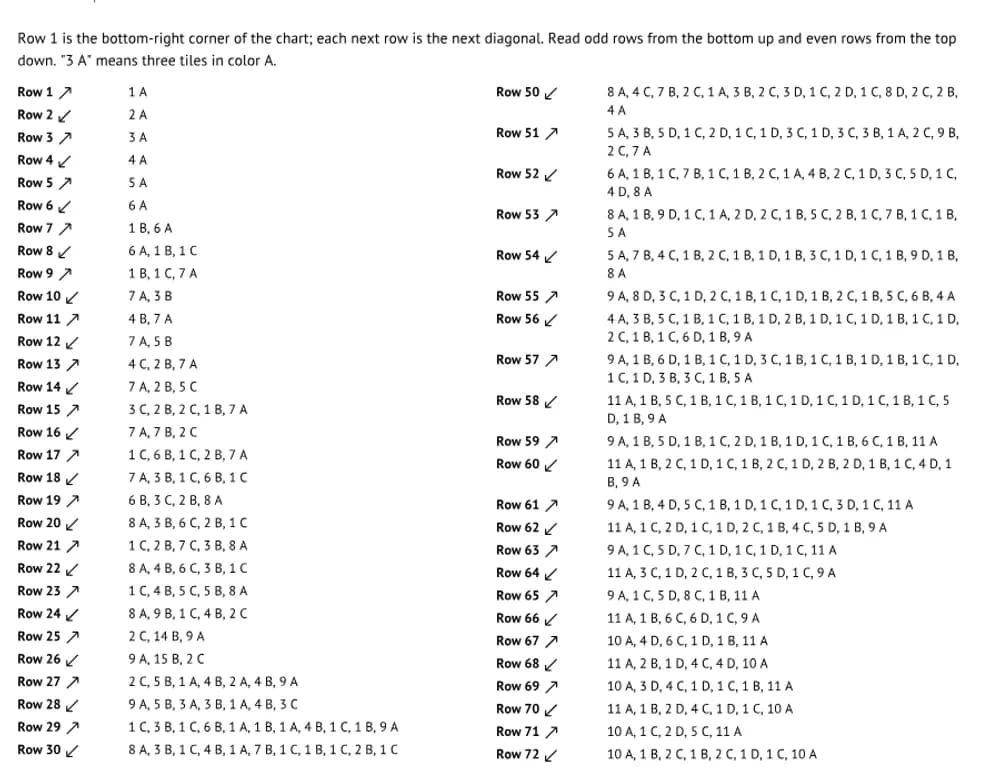
Switch the craft to “Tapestry crochet” or “C2C crochet” and the chart is built on a square grid instead. C2C, short for corner to corner, is worked in diagonal rows from the bottom-right corner, and the PDF adds a written pattern: for every row, which way to work it and how many tiles of each color. We tried it on the cat at 50 × 50 squares in 4 colors: that is 99 rows, listed on two pages, such as “Row 9: 1 B, 1 C, 7 A”.
Frequently asked questions
Is it free?
The chart is built in your browser and costs nothing, and the PDF is free to download. You only spend credits if you choose to generate a motif with AI first. New accounts get 6 free credits after sign-up.
Does it work for intarsia?
Yes. The chart is the same grid of colored squares, one per stitch. Whether you carry the yarn across the back or use separate bobbins is up to you.
Can I chart a portrait of a person?
You can, but portraits and photos with gradients are the hardest case: they need 6 to 8 colors and 100 or more stitches in width, and small features still get simplified. Start with a simpler motif for your first project.
Upload a picture, choose the width and colors, and the chart and PDF are ready in seconds.
Knitting Chart GeneratorTry everything from this article in minutes
All the models and tools from this article are in one place. You get 6 free credits after sign-up, and every price is shown before you run it.
Make a knitting chart